
Affiliate marketing has always been a great idea with an incomplete incentive. Creators do the heavy lifting—research, content, trust building—then get paid once per click or sale. It works. But it rarely compounds for the people actually doing the work.
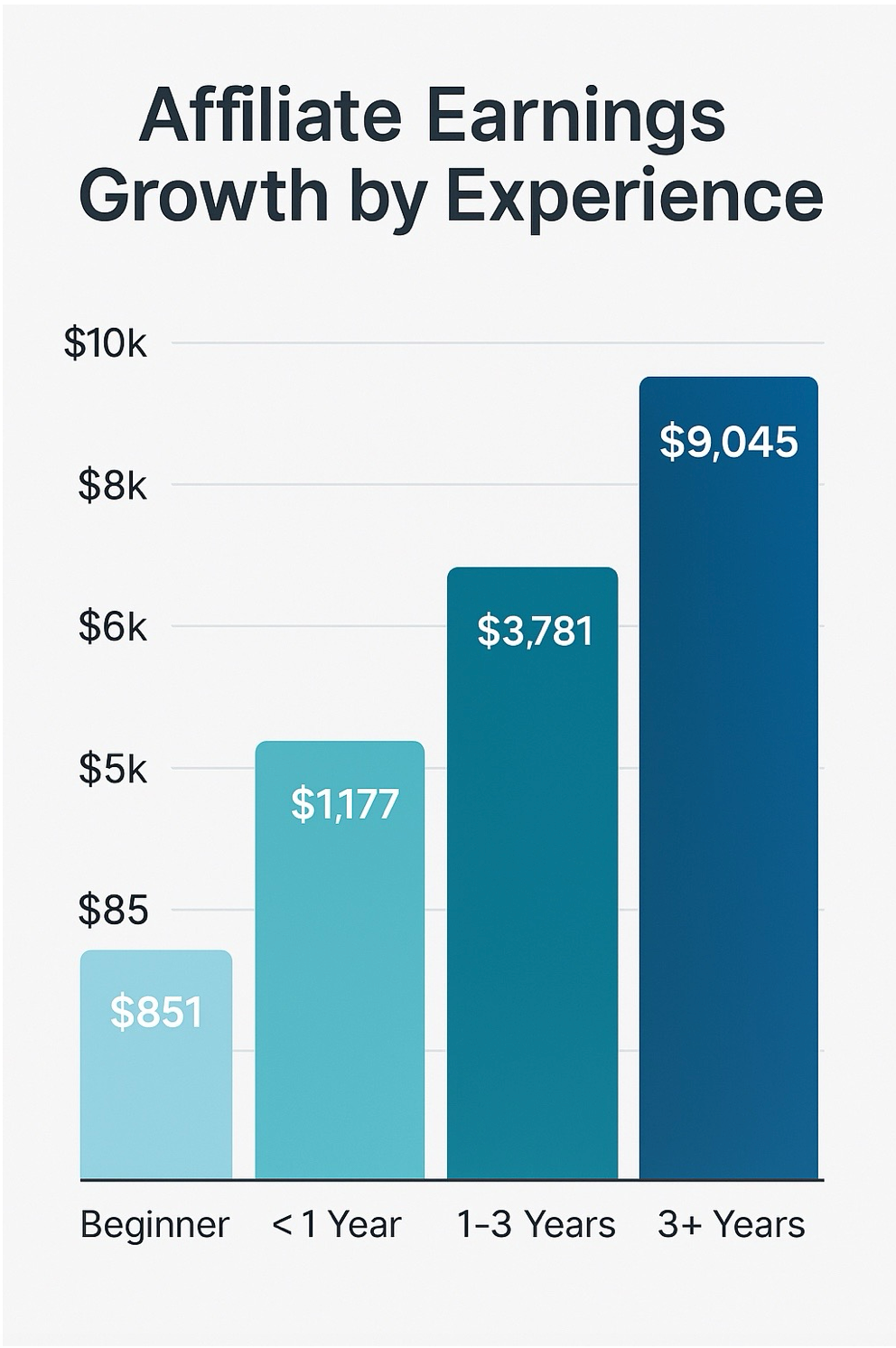
Meanwhile, the data is clear: with time and skill, affiliates can do extremely well. A large industry survey found the average affiliate brings in about $8,038 per month, and those with 3+ years’ experience earn ~9.45× more than beginners. Translation: when you stick with it, it grows.
Figure 1: Affiliate Earnings Growth by Experience
The gap commission-only models can’t close
Classic networks reward the transaction, not the trajectory. You make the sale; the platform builds the long-term enterprise value. Over years, that mismatch nudges creators toward short-term tactics, promotes burnout, and makes everything feel more extractive than empowering.
Affiliate 3.0 fixes that.
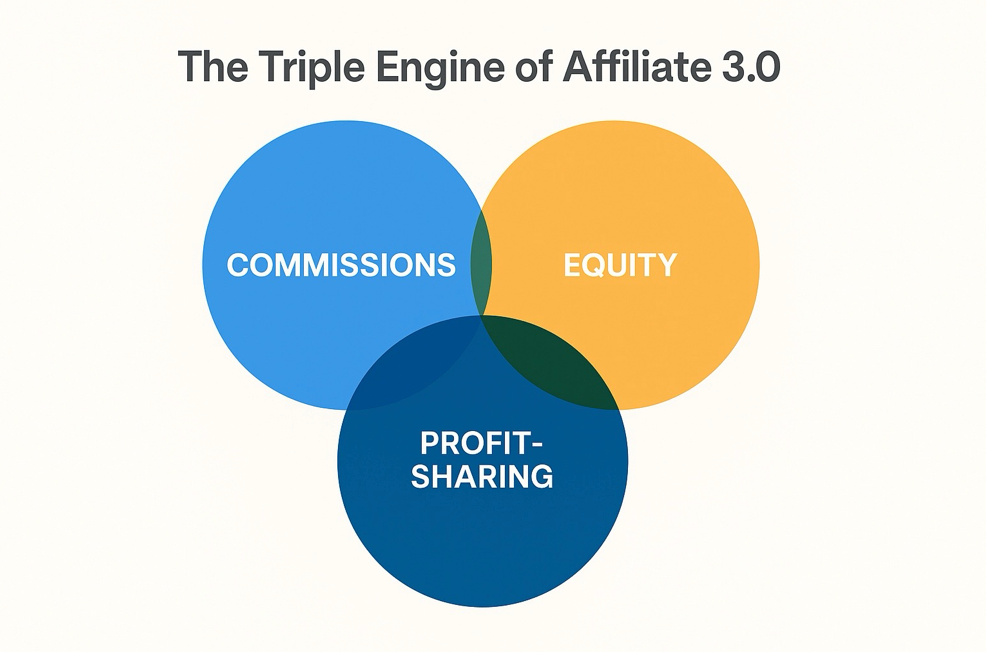
Figure 2: The Triple Engine of Affiliate 3.0
What Affiliate 3.0 looks like at Circular Wealth
Circular Wealth keeps the obvious win—top-tier commissions—and adds two levers that change the psychology of the work:
1. Monthly Profit-Sharing Pool
You still earn on your sales, but you also share in the platform’s success based on your contribution. That means the content you publish this month can pay you twice: once when it sells, and again when the community thrives.
2. Equity Participation for Performing Affiliates
This is the unlock. When a platform grants actual equity participation to its creators, it turns affiliates into co-owners. If there’s an exit event one day, you’re not just clapping from the sidelines—you’re in the distribution. That reframes every post, review, and video from “quick win” to “I’m building something I partially own.”
(And yes, this is not MLM. There’s no pay-to-play, no purchase requirements, no downline pressure. It’s performance-based marketing with shared upside—plus an optional “Circles of Influence” feature that lets you link other Pros ethically, like any modern referral program.)
Why ownership changes behavior (and income)
• Better brand selection. When your upside compounds, you gravitate to durable brands—exactly what Circular Wealth curates—rather than chasing flash-in-the-pan offers.
• Quality over hacks. Owners don’t spam. They build content moats—helpful long-form, useful comparisons, clean UX, and ethical CTAs—because that’s what compounds rankings, shares, and trust.
• Longer runway. Profit-sharing income softens the valleys between big wins, so you can keep publishing during slow weeks. Consistency is the unsung hero in every earning-tier jump.
The Circular Wealth stack that makes this doable
• High-Commissions, Plus: You’re paid per sale, and you participate in a monthly pool, and you can accrue equity. Triple engine.
• Curated Offers Only: Fewer, better brands—so your audience learns to trust CW links as a quality filter.
• Real-Time Transparency: A dashboard that shows commissions, pool share, and equity progress—so you can iterate like a pro.
• Pro-Grade Assets: Ready-to-use posts, scripts, videos, images, even press releases—because execution speed wins.
• Community & Support: Private feedback loops, trainings, and strategy help—because solo doesn’t mean alone.
Figure 3: Time to Build – 30-Day Plan Visual
A simple 30-day plan to “think like an owner”
Week 1 — Clarify your niche & offer map. Pick one CW brand aligned with a high-earning niche and outline 5 angles: problem/solution, honest comparison, “who it’s not for,” real-world setup, ROI math.
Week 2 — Publish your anchor review. 2,000–2,500 words, skimmable headers, clear pros/cons, screenshots, a single primary CTA. Add a 60-second video summary at the top for mobile readers.
Week 3 — Build your content cluster. Create three support pieces: a tutorial, a vs-competitor comparison, and a “mistakes to avoid” post. Interlink everything. Add one short-form video per piece.
Week 4 — Optimize with the dashboard. Check click-through, EPC, and pool metrics; refine your top 3 CTAs; move the highest-performing block above the fold; update internal links from older posts.
The future belongs to creators who own a slice
Commission-only was Version 1.0—a quick reward for fleeting wins.
Version 2.0 brought better tools, but the real value you built still belonged to someone else.
Version 3.0 changes the rules entirely—it gives you a stake. Not just a commission, but equity. Ownership. A share in the very thing you’re helping to grow.
When you own part of the game, you play it differently. You think long-term, you build with care, and every win—yours or the community’s—becomes part of your story.